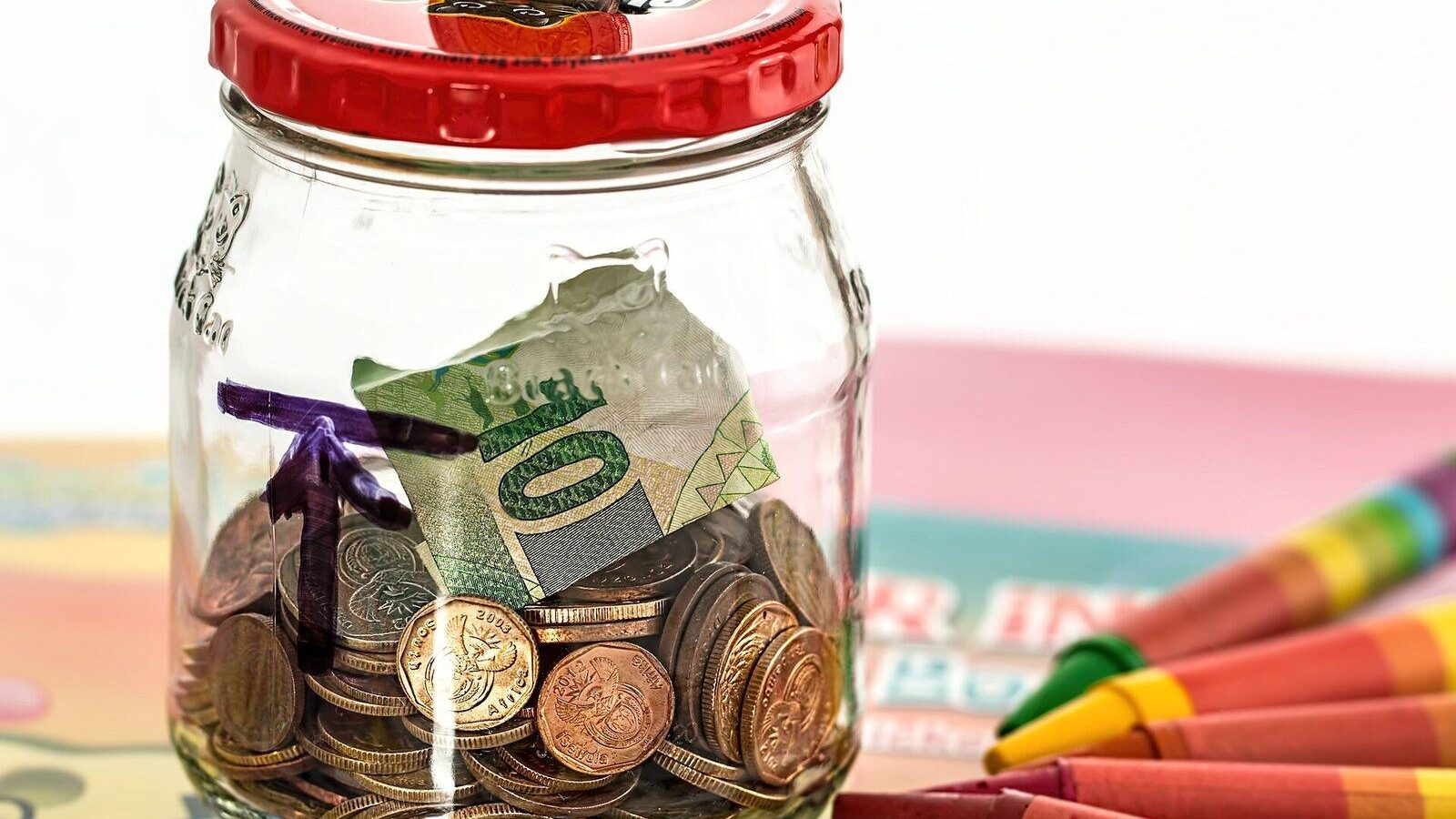
An emergency fund is money set aside specifically for unexpected expenses, such as a car repair, a medical bill, or a sudden loss of income. A common guideline is to work toward several months of essential living expenses, but starting with a small initial goal and saving automatically is what matters most. Keep the money somewhere safe, separate, and easy to access.
Note: This article is for general educational purposes only and is not personalized financial advice.
Key Takeaways
- An emergency fund helps you handle surprises without relying on credit cards or loans.
- Start with a small starter goal, then build toward several months of essential expenses.
- Keep the fund in a separate, easily accessible, low-risk account.
- Automating transfers makes saving consistent, even in small amounts.
- Refill the fund promptly after you use it.
Why an Emergency Fund Matters
Unexpected costs are a normal part of life. Appliances break, cars need repairs, and jobs can change without warning. Without savings, these surprises often end up on a high-interest credit card, which can turn a short-term problem into long-term debt.
An emergency fund acts as a financial cushion. It gives you options and time to make thoughtful decisions instead of rushed ones. Many people also find that simply having savings reduces day-to-day money stress.
What counts as an emergency
Defining an emergency in advance helps protect the fund. Generally, it covers expenses that are necessary, unexpected, and urgent.
- Job loss or a significant drop in income.
- Medical or dental costs not covered by insurance.
- Essential car or home repairs.
- Emergency travel for a family situation.
Planned expenses such as vacations, holiday gifts, or annual subscriptions are better handled with separate savings goals.
Decide How Much to Save
A widely cited guideline is to save enough to cover three to six months of essential expenses. The right amount for you depends on your situation. Someone with a stable job, no dependents, and a two-income household might be comfortable at the lower end. A self-employed person, a single-income family, or someone in a less predictable industry may want more.
Calculate your essential expenses
Focus on what you truly need to cover each month, not your total spending. Add up costs such as:
- Rent or mortgage payments.
- Utilities, phone, and internet.
- Groceries and basic household supplies.
- Transportation, including car payments, insurance, and fuel.
- Health insurance and necessary medications.
- Minimum payments on any debts.
- Childcare or other essential obligations.
Multiply that monthly total by the number of months you want to cover, and you have your long-term target.
Start Small and Build Momentum
A full emergency fund can feel out of reach, especially on a tight budget. Instead of focusing on the final number, set a smaller starter goal, such as enough to handle one modest surprise expense. Reaching that first milestone builds confidence and provides immediate protection.
From there, break the larger goal into stages, such as one month of expenses, then two, and so on. Progress you can see is more motivating than a distant target.
An emergency fund is not about predicting what will go wrong. It is about deciding ahead of time that a surprise will not become a crisis.
Make Saving Automatic
The most reliable way to build savings is to remove the need to remember. Set up an automatic transfer from your checking account to your emergency fund on or right after payday. Even a small recurring amount adds up over time.
- Pick an amount you can sustain: It is better to save a little consistently than a lot occasionally.
- Time it with payday: Move the money before you have a chance to spend it.
- Increase it gradually: When you get a raise or pay off a debt, redirect part of that money to savings.
- Use windfalls: Consider putting part of a tax refund, bonus, or cash gift toward the fund.
Look for small changes in your budget as well. Reviewing subscriptions, cooking at home more often, or comparing insurance rates can free up money to save.
Choose Where to Keep Your Fund
Your emergency fund should be safe, separate from everyday spending, and accessible when you need it. That usually means a savings account rather than an investment account, since investments can lose value right when you need the cash.
- High-yield savings accounts: Often offered by online banks, these typically pay more interest than traditional savings accounts.
- Money market accounts: Can offer competitive interest with easy access.
- Insurance coverage: In the US, look for accounts at banks insured by the FDIC or credit unions insured by the NCUA, up to applicable limits.
Keeping the fund at a different bank from your checking account can reduce the temptation to dip into it, while still allowing transfers within a few business days.
Refill after you use it
Using your emergency fund is exactly what it is for, so do not feel guilty. Once the emergency passes, restart or increase your automatic transfers to rebuild it. For more money guides, explore our finance coverage on TozyMagazine.com.
Frequently Asked Questions
Should I pay off debt or build an emergency fund first?
Many people choose to build a small starter fund first, then focus on paying down high-interest debt while continuing modest savings. The right balance depends on your interest rates, income stability, and personal situation.
Is it okay to keep my emergency fund in cash at home?
A small amount of cash at home can be handy, but keeping most of your fund in an insured bank or credit union account is generally safer. It protects against theft and loss and can earn interest.
How long does it take to build an emergency fund?
It depends on your income, expenses, and savings rate. For many people, it takes months or even a few years. Steady, automatic contributions are more important than how quickly you reach the goal.