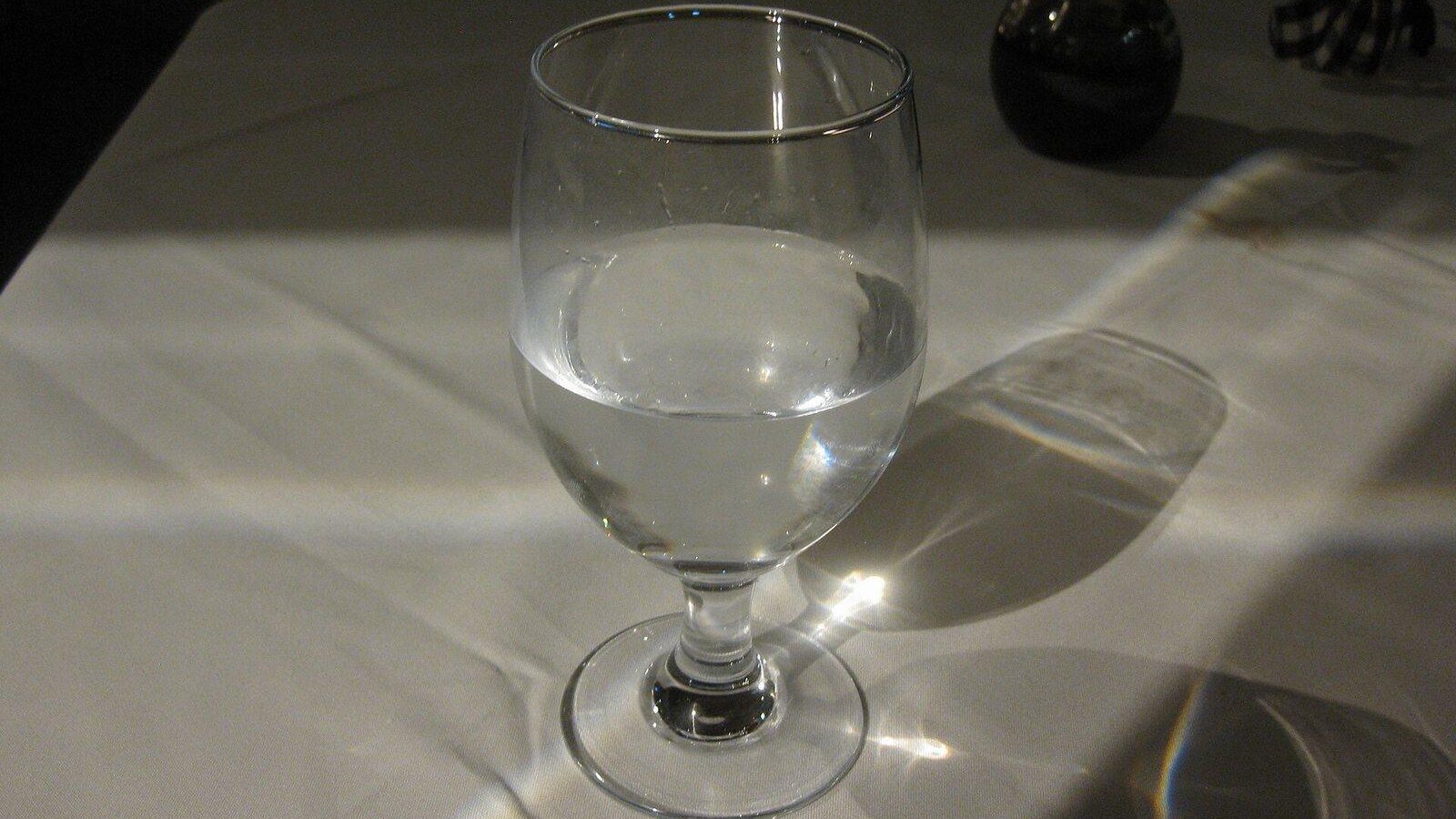
The simplest way to drink more water is to tie it to habits you already have, keep water within reach, and include water-rich foods in your meals. Your needs depend on your body, activity level, and climate, so paying attention to thirst and other cues matters more than hitting a single magic number. A few small adjustments can make hydration feel automatic.
Key Takeaways
- Hydration needs vary by person, activity, health, and weather.
- Habit stacking works: pair a glass of water with meals, coffee, or brushing your teeth.
- Keep water visible with a reusable bottle at your desk, in your bag, or in the car.
- Food counts too. Fruits, vegetables, and soups contribute to your daily fluid intake.
- Drink more on hot or active days, and watch for signs like dark urine or fatigue.
Why Hydration Matters
Water plays a role in almost every system in your body. It helps regulate temperature, supports digestion, cushions joints, and carries nutrients to your cells.
When you do not drink enough, you may notice it before you feel truly thirsty. Common early signs include headaches, tiredness, trouble concentrating, and dry mouth. Staying ahead of those signals tends to help you feel more energetic and focused through the day.
Thirst is a useful signal, but it is not always perfectly reliable. Busy schedules, cool weather, and simply being distracted can all make it easy to go hours without a drink. That is why gentle structure, rather than waiting until you feel parched, works well for many people.
How Much Water Do You Really Need?
You may have heard a simple rule about a set number of glasses per day. It is an easy reminder, but real needs differ widely. A person who works outdoors in summer needs far more fluid than someone sitting in an air-conditioned office.
Several factors influence how much you need:
- Activity: Exercise and physical work increase fluid loss through sweat.
- Climate: Hot, humid, or high-altitude environments raise your needs.
- Body size: Larger bodies generally require more fluid.
- Health factors: Illness, pregnancy, breastfeeding, and certain medications can change requirements.
A practical check many people use is urine color. Pale yellow usually suggests you are reasonably hydrated, while darker urine can be a sign to drink more.
Habits That Make Drinking Water Easier
Most people do not skip water on purpose. They simply forget. The fix is to build cues into your routine so you do not have to rely on memory.
Stack water onto existing habits
- Drink a glass of water first thing in the morning, before coffee.
- Have a glass with every meal and snack.
- Refill your bottle each time you return from a break or meeting.
- Keep a glass by the sink and drink after brushing your teeth.
Make water convenient
A reusable bottle that you like to carry is one of the most effective tools. Bottles with volume markings can help you see progress at a glance. Keeping one at your desk, in your car, and by your bed removes friction.
Make it taste better
If plain water feels boring, try adding slices of lemon, lime, cucumber, berries, or a few mint leaves. Sparkling water and unsweetened herbal tea are also good options for variety.
Hydration rarely fails because people do not care. It fails because water is out of sight and out of mind, so the best strategy is to put it right in front of you.
Water-Rich Foods That Count
Everything you eat and drink contributes to hydration, not just plain water. Many fruits and vegetables are mostly water, and they bring fiber, vitamins, and minerals along with them.
- Fruits: watermelon, oranges, strawberries, cantaloupe, grapes, and peaches.
- Vegetables: cucumber, lettuce, celery, zucchini, tomatoes, and bell peppers.
- Other options: broth-based soups, plain yogurt, and smoothies made with whole fruit.
Building meals around produce is a simple way to support hydration without thinking about it. A salad at lunch or fruit as an afternoon snack quietly adds to your daily total.
Staying Hydrated on Hot or Active Days
Summer heat, long hikes, and intense workouts can increase fluid loss quickly. Planning ahead makes a big difference.
- Drink before you start. Have water before heading outside or beginning exercise.
- Sip regularly. Small, frequent sips during activity are easier on your stomach than large amounts at once.
- Replace what you lose. After long or very sweaty sessions, some people benefit from fluids that contain electrolytes.
- Watch for warning signs. Dizziness, confusion, extreme fatigue, or very dark urine are signals to stop, cool down, and rehydrate.
It is also possible, though uncommon, to drink too much water in a short time, especially during long endurance events. Balance and listening to your body are key.
This article offers general wellness information and is not medical advice. If you have a health condition or take medication that affects fluid balance, consult a qualified healthcare professional for personal guidance. You can find more practical wellness topics in our health coverage on TozyMagazine.com.
Frequently Asked Questions
Do coffee and tea count toward hydration?
Yes, for most people. Although caffeine has a mild diuretic effect, the water in coffee and tea still contributes to your overall fluid intake when consumed in moderate amounts.
What are the signs that I am not drinking enough water?
Common signs include thirst, dark yellow urine, dry mouth, headaches, tiredness, and trouble concentrating. More serious symptoms like dizziness or confusion call for prompt attention.
Is flavored or sparkling water as good as plain water?
Unsweetened sparkling water and water infused with fruit are good ways to stay hydrated. Just check labels on flavored drinks for added sugars or sweeteners if you are watching your intake.